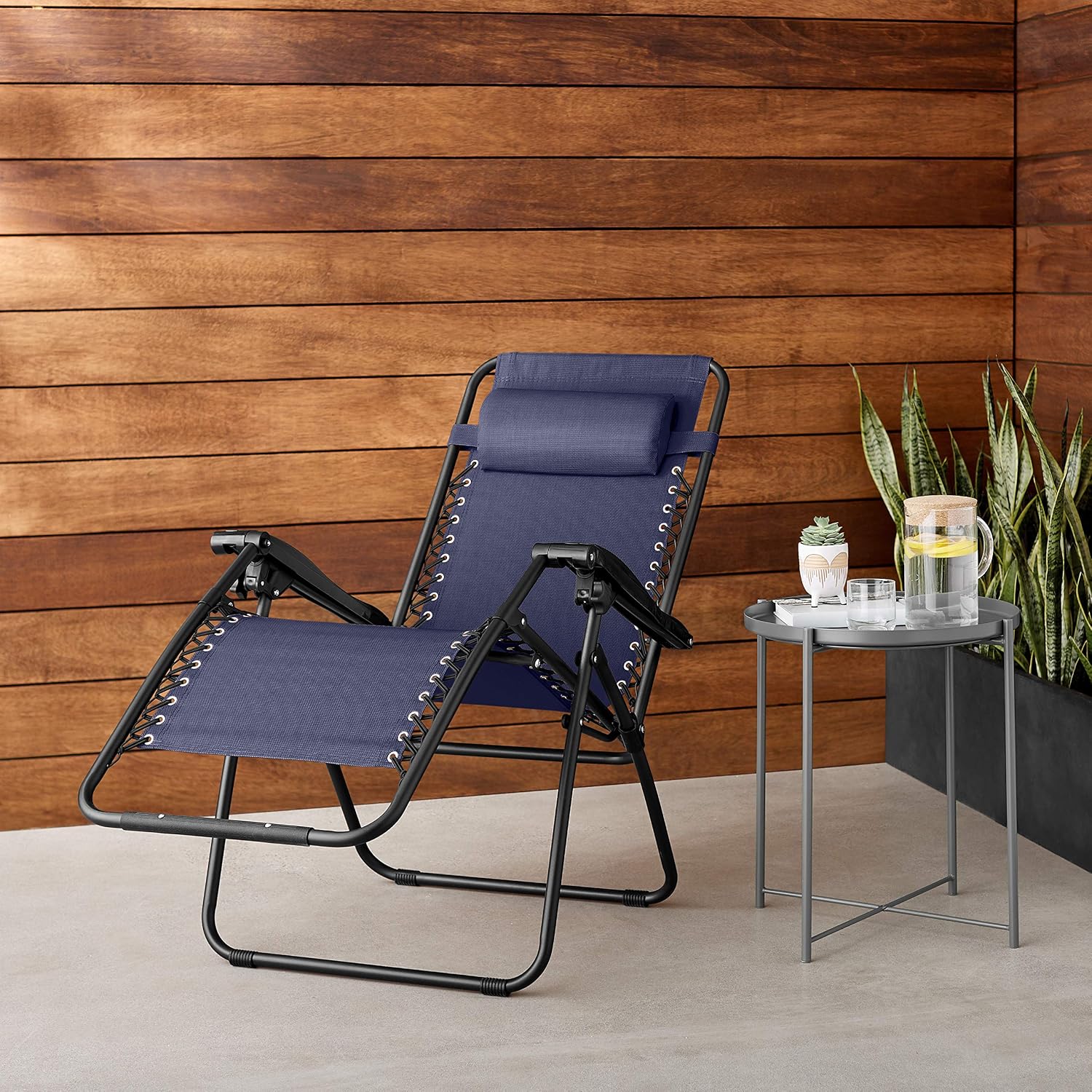
Picture this: it’s hour three of a basecamp day — you’ve done the morning miles, the sun is at the perfect angle, and everyone else has already claimed a spot to decompress. The camp chair you brought opens fine, holds you fine, but 45 minutes in your lower back is talking to you in a language you don’t love. You start eyeing the person across the fire pit who is practically horizontal, legs elevated, looking genuinely boneless in their recliner. That chair is almost certainly a zero gravity lounge chair — a reclining outdoor chair designed so that your legs sit roughly level with your heart, which takes compressive load off your lumbar spine and redistributes your body weight more evenly across the seat surface. The “zero gravity” label is borrowed from NASA research on neutral body posture in weightlessness; the practical upshot is that the recline angle feels dramatically less fatiguing than a standard upright camp chair. This guide breaks down what actually separates a $60 patio-store impulse buy from a $250 purpose-built camp lounge chair — and gives you the decision framework to pick the right one before you commit.
What “Zero Gravity” Actually Means in Spec Terms
The term gets used loosely by manufacturers, so it’s worth anchoring it to something concrete before we compare models.
A true zero gravity recline positions the thighs at roughly 120–128 degrees relative to the torso and elevates the lower legs above the heart. Physiotherapists and ergonomics researchers broadly agree — per the REI Co-op Learn guide on camp chairs — that this range dramatically reduces lumbar disc pressure compared to seated upright posture. In practice, most chairs marketed as zero gravity achieve this through one of two mechanisms:
Linked reclining frames — the seat pan and leg rest are mechanically coupled so they move together as one unit when you recline. Push back with your body weight, and the footrest rises automatically. This is the dominant design in patio-market chairs (think Timber Ridge, ALPS Mountaineering, Caravan Sports) and tends to be heavier (15–25 lbs) but cheaper.
Adjustable-hinge or lockout systems — a ratcheted hinge or locking strap lets you dial a specific recline angle and hold it there. More adjustment points mean more fine-tuning, but also more hardware to maintain. Helinox and similar ultralight-focused brands use this approach on their higher-end lounge models.
The third variable nobody talks about enough: fabric tension. A zero gravity frame in a cheap, loose mesh will let your hips sag through the neutral posture you’re trying to achieve. The load-bearing fabric should be taut enough to feel like a hammock at peak tension, not a net. Reviewers at GearJunkie’s zero gravity chair roundup consistently flag fabric sag as the first failure point on budget models after 12–18 months of use.
By the Numbers
| Price Tier | Typical Weight | Weight Capacity | Frame Life (Owner Reports) |
|---|---|---|---|
| $50–$90 (entry) | 18–25 lbs | 250–300 lbs | 1–3 seasons |
| $100–$180 (mid) | 14–22 lbs | 300–350 lbs | 3–5 seasons |
| $200–$350 (premium) | 8–18 lbs | 300–400 lbs | 5–10+ seasons |
Sources: aggregated from Wirecutter’s camp chair coverage, Apartment Therapy’s zero gravity chair research, and manufacturer spec sheets (Timber Ridge, ALPS Mountaineering, Helinox).
The Tradeoff Map: Weight vs. Durability vs. Portability
Here is where intermediate buyers tend to make the most expensive mistake: optimizing for only one axis.
If you’re primarily a car camper or overlander and the chair lives in a truck bed or rooftop cargo system, pack weight is nearly irrelevant. A 22-lb Caravan Sports Infinity Zero Gravity chair or a Timber Ridge Zero Gravity Recliner at around $70–$90 gives you excellent lumbar support, a wide seat (typically 19–21 inches), and a carry bag that works fine for parking-lot to campsite distances. Owners across multiple review aggregators report these chairs holding up well for 3–5 seasons with basic aluminum frame care. The tradeoff: they fold to roughly 40 × 24 inches and won’t fit in a backpacking context.
If you’re a basecamp-style backpacker — doing a shuttle to a lake, a river camp, or a multi-night site where you’re not carrying the chair more than a quarter mile — the mid-tier is where the math gets interesting. Chairs like the ALPS Mountaineering Lay-Z Lounger (around $130–$150) split the difference at roughly 14–16 lbs with a more packable profile. Outside Online’s outdoor lounge chair coverage notes that ALPS hits a sweet spot for car campers who also occasionally hike to sites, calling the fabric quality noticeably better than true entry-tier options.
If weight is non-negotiable — you’re a festival-goer who hikes in, a kayak camper with a tight packing list, or a paddler staging gear at a beach — the Helinox Camp Chair One with an optional footrest is the peer-reviewed answer, though it tops out closer to $280–$320 for the footrest bundle and achieves its recline via add-on rather than a linked frame. Wirecutter’s camp chair reviews have consistently recommended Helinox products for packability-first buyers while being transparent that the price-per-pound premium is real: you’re paying for aluminum alloy engineering, not fabric upgrades.
The honest caveat on “ultralight” lounge chairs: a true zero gravity angle is hard to achieve at sub-5-lb chair weights because the mechanical linkage required adds mass. Most ultralight options give you a reclined position but not the full leg-elevation-above-heart geometry. If the physiology matters to you (back pain, circulation issues, long days in chair), this is the tradeoff worth naming explicitly.
What Separates a Good Chair from a Great One at Each Price Point
Beyond the frame geometry, here are the specification details that consistently separate chairs owners rave about from chairs they sell at the end of the season.
Fabric construction: Look for textilene or batyline mesh (a PVC-coated polyester weave) rather than standard polyester fabric. GearJunkie’s zero gravity roundup and Apartment Therapy’s research both flag textilene as the material that holds tension longer, dries faster after rain, and resists UV degradation measurably better. It’s also easier to wipe down — relevant for both the patio and the campsite.
Frame alloy and tube diameter: Steel frames are heavier but easier to repair in the field — a bent tube can sometimes be straightened. Aluminum alloy frames (6000-series and above) are lighter but tend to fold rather than bend on overload. Manufacturer weight capacity ratings are typically conservative (25–30% below actual failure point per engineering convention), but owners in long-run forum discussions consistently note that staying under 85% of rated capacity extends frame life meaningfully.
Armrest design: Padded armrests versus bare tube armrests is a quality-of-life detail that sounds minor until hour four. Mid- and premium-tier chairs typically include padded or ABS plastic wraparound armrests. Entry-tier chairs often use a simple foam sleeve over a steel tube that compresses and tears within a season.
Locking mechanism: The recline lock is the highest-failure-rate component in linked-frame zero gravity chairs. Look for chairs that use a side-mounted locking bar rather than a rear pin system — owner reports across REI Co-op’s camp chair reviews and Wirecutter’s coverage consistently flag rear-pin designs as more prone to loosening over time.
Cup holder and accessory integration: Sounds trivial until it isn’t. A bolted-on cup holder that clamps to the frame is significantly more stable than a side-mesh pocket. If you’re using the chair on uneven ground — which you will be at camp — a cup holder that doesn’t release its grip when the chair flexes laterally is worth paying for.
Decision Rules: If X, Then Y
You’ve absorbed the tradeoffs. Here’s the decision matrix that should close your purchase:
If you’re a car camper or overlander on a $100-or-under budget → go with a steel-frame linked zero gravity chair in the Timber Ridge or Caravan Sports tier. You’ll give up packability and carry an extra 8–10 lbs, but you’ll get years of reliable use and genuine lumbar relief. Prioritize textilene fabric over polyester.
If you’re a basecamp or car-to-site camper willing to spend $130–$180 → the ALPS Mountaineering Lay-Z Lounger or similar mid-tier aluminum chairs are the value apex. Better fabric, lighter frame, and a profile that fits in a larger pack or duffel. This is where most intermediate buyers land after their first upgrade.
If packability is paramount and you’ll spend $250+ → build out a Helinox system (chair plus footrest) with the understanding that you’re optimizing for carry weight, not the mechanical elegance of a true linked-frame recline. The recline experience is excellent; the zero gravity geometry is very good but requires the footrest addition to fully deliver.
If you’re outfitting a semi-permanent overlanding base camp or patio setup → consider two chairs in the $90–$150 range rather than one premium unit. Redundancy matters when you’re hosting or when one chair is in use and another is needed.
If you have chronic lower back issues → the physiology argument for a true linked-frame zero gravity recline (where the legrest rises automatically as you lean back) is stronger than for adjustable-hinge designs. Prioritize the mechanical linkage over brand prestige.
One thing this guide can’t tell you: how the fabric tension will feel against your specific back and hip geometry after three hours. That’s a fit variable that specs can’t fully capture. If you’re buying at a REI or similar retailer with a generous return policy, taking advantage of that window to test the chair over a real-use session is the single best data point you can collect.
The long sit is underrated. Getting the chair right means you’ll actually use it — and that’s the only metric that matters when the campfire is going and the sun is finally off the ridge.