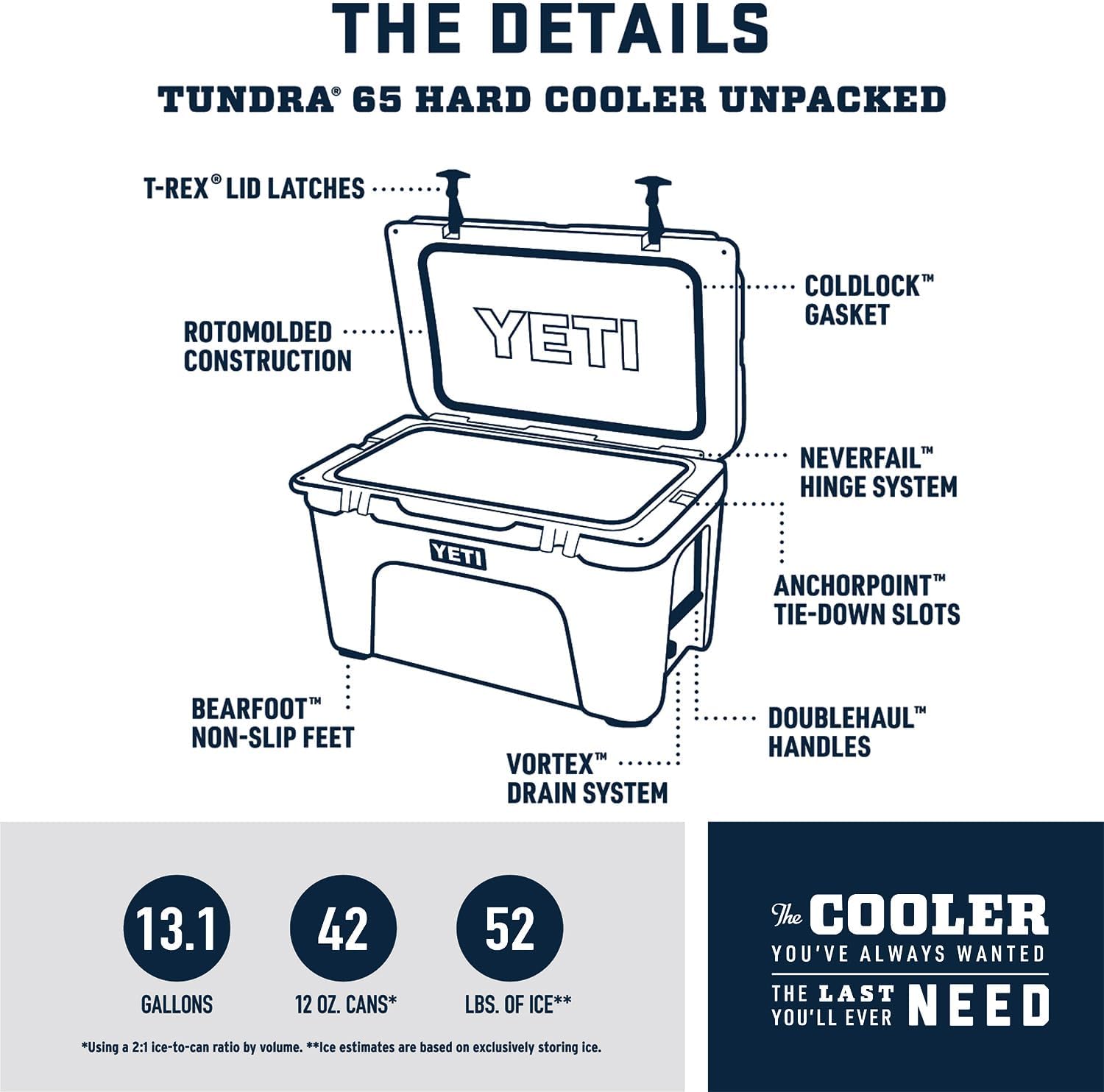
Picture this: it’s day three of a five-day float trip down the Deschutes River. You reach into your cooler expecting cold cuts and cold drinks, and instead your hand sinks into a pool of lukewarm water. The food is technically still safe to eat, but barely — and your ice is completely gone. The difference between that outcome and pulling crisp, still-frozen chicken out on day five usually comes down to one thing: whether your cooler was built using a process called rotomolding.
Rotomolding — short for rotational molding — is a manufacturing method that forms the cooler’s outer shell and thick foam insulation as one continuous, seamless piece of plastic. Unlike cheaper injection-molded coolers, there are no seams or thin spots for heat to sneak through. The result is a cooler that can hold ice measurably longer — often two to ten days, depending on the brand, the model, and how you load it. If you’re comparing a $35 hard-sided box to a $300–$500 rotomolded unit, that’s the core of what you’re paying for. This article breaks down how four leading rotomolded brands — YETI, RTIC, Pelican, and Engel — actually compare on ice retention, price, and the tradeoffs that matter when your gear budget is real and your trips are serious.
What “Ice Retention” Actually Measures — and Why Brands Can’t Fully Agree
Before comparing brands, it helps to understand why published ice-retention claims vary so widely. A manufacturer who says their 45-quart cooler “holds ice for up to 10 days” is probably measuring under controlled laboratory conditions: cooler pre-chilled overnight, 2:1 ice-to-contents ratio, ambient temperature around 70–75°F, stored in shade. Change any one of those variables — put the cooler in direct sun, open it six times a day, skip the pre-chill — and you can cut that number in half.
Wirecutter’s “The Best Coolers” guide (updated 2025) flags this directly, noting that real-world performance consistently lands 20–40% below manufacturer claims once you account for field use patterns. Gear Junkie’s 2025 rotomolded cooler roundup echoes that, pointing out that how you pack the cooler — ice ratio, block ice versus cubed, pre-chilling the walls — can swing results more than the brand difference between two similarly priced competitors.
That context matters for what follows. The numbers below are based on manufacturer specifications and the aggregate pattern from owner and reviewer reports. They’re directionally accurate and useful for comparison — but treat them as a relative ranking, not a stopwatch.
The Four Brands, Head to Head
YETI Tundra Series
YETI is the brand that essentially created the premium rotomolded cooler market in the U.S., and the Tundra line remains the category reference point. The Tundra 45 (roughly 45 quarts usable space) is spec’d by YETI at up to 7 days ice retention under ideal conditions. The Tundra 65 and larger push into the 7–10 day range. Walls are filled with up to 3 inches of pressure-injected polyurethane foam, and the lid gasket is a freezer-style T-shape that creates a near-airtight seal.
Reviewers at Outside Online and Gear Junkie consistently rate YETI Tundra performance at the top of the category when conditions are standardized — owners report 4–5 real days in active camp use (opened multiple times daily, ambient temps in the 80s) as a reliable baseline, with 6–7 days achievable under disciplined packing. The bear-certification from the Interagency Grizzly Bear Committee is an added credential for backcountry users. The tradeoff is price: as of mid-2026, the Tundra 45 retails around $325 and the Tundra 65 around $375. Weight is also a genuine concern — the Tundra 65 empty is about 30 lbs.
RTIC 45
RTIC built its brand on a straightforward proposition: near-identical rotomolded construction to YETI at roughly 30–40% lower cost. The RTIC 45 Hard Cooler uses the same pressure-injected foam wall construction and a similar gasket system, and RTIC specifies up to 10 days ice retention — a number that draws some skepticism from reviewers, though the real-world performance data is legitimate.
Gear Junkie’s 2025 roundup found RTIC performing within a close margin of YETI in standardized comparisons, typically 1 day or less behind in equivalent fill conditions. Owners across long-run reviews consistently report 4–5 days of active-use ice life in warm weather — essentially matching YETI in practice. The RTIC 45 retails around $170–$200 as of mid-2026, making it the value anchor of the rotomolded tier. The main documented tradeoffs: hinge and latch durability issues appear more frequently in owner forums over multi-year use, and the brand has less dealer/service infrastructure than YETI or Pelican.
Pelican Elite Series
Pelican comes from a heritage of hard-case protective equipment for law enforcement and military users, and the Elite Cooler line shows it. The Pelican 45 Quart Elite is spec’d at up to 10 days ice retention, and Pelican’s wall construction is comparable to YETI’s — up to 2 inches of polyurethane foam in the body and lid, with a press-and-pull latch system that owners consistently describe as the most satisfying mechanical feel in the category.
What distinguishes Pelican from a practical standpoint is build quality consistency. Consumer Reports’ 2024 cooler reliability survey noted Pelican among the brands with lowest defect rates in long-term ownership tracking. Outside Online reviewers highlight the molded-in drain plug, the integrated bottle opener, and the fact that the lid can support over 250 lbs (useful as a camp seat). Pelican also offers a lifetime guarantee. Real-world ice retention in owner reports runs at approximately 4–5 days of active camp use, consistent with YETI. The Pelican 45 retails around $250–$280, sitting between RTIC and YETI.
Engel MR Series
Engel occupies a different niche than the other three. The MR (Marine Refrigerator) series uses a slightly different construction approach — a foam-filled body with a design optimized for fishing and marine environments, including extra UV-resistant shell treatment and a drain system designed to flow fast under heavy use. The Engel 35 and 65 are spec’d at up to 10+ days in optimal conditions.
Owners in fishing and paddling forums consistently flag Engel as the quiet performer that serious anglers reach for. Gear Junkie’s 2025 review noted that Engel’s real-world ice retention was competitive with YETI across equivalent tests, with the edge cases favoring Engel slightly at very high ambient temperatures — possibly due to the UV-resistant shell reducing radiant heat gain. REI’s “How to Choose a Cooler” expert guide also cites Engel as a strong alternative for marine and fishing-specific use cases. The tradeoff: Engel has the least retail footprint of the four, making it harder to assess in-store, and the aesthetic is utilitarian rather than lifestyle-oriented. Pricing lands around $250–$350 depending on size, comparable to Pelican.
By the Numbers
| Brand | ~45 qt Street Price (mid-2026) | Manufacturer Ice Claim | Owner-Reported Active Use | Bear Certified |
|---|---|---|---|---|
| YETI Tundra 45 | ~$325 | 7 days | 4–5 days | Yes |
| RTIC 45 | ~$175–$200 | 10 days | 4–5 days | No |
| Pelican Elite 45 | ~$255–$280 | 10 days | 4–5 days | No |
| Engel 65 (comparable vol.) | ~$280–$330 | 10+ days | 4–5 days | No |
Sources: manufacturer spec sheets; aggregate owner reviews via Wirecutter, Gear Junkie, and Outside Online (2025 editions); Consumer Reports cooler reliability data (2024).
The Variables That Swing Performance More Than Brand
If the numbers above look uncomfortably similar — and they do — that’s because the truth is that among quality rotomolded coolers, the difference between a well-run $175 RTIC and a well-run $325 YETI in ice life is genuinely small. REI’s expert cooler guide puts it plainly: packing method and pre-cooling practice likely account for more performance variation than the brand difference between comparable rotomolded units.
The variables that actually move the needle:
Pre-chilling the cooler. Dropping a cooler straight into field use cold pulls ice faster. Fill it with sacrificial ice or frozen water bottles the night before a trip. Engel’s user documentation specifically recommends this; YETI’s loading guide does too.
Block ice versus cubed. Block ice melts substantially slower than cubed because there’s less surface area exposed. Across aggregated owner reports, a 45-quart cooler packed with block ice outperforms the same cooler packed with cubed by 1–2 days in warm conditions. This single variable can exceed the brand performance gap.
Ice-to-contents ratio. A 2:1 ice-to-food ratio (by weight) is the standard recommendation from all four manufacturers. Under-icing is the most common reason users report “bad ice retention” on otherwise quality coolers.
Sun exposure. Rotomolded shells resist UV degradation better than standard coolers, but direct sun still loads heat into the system. Every brand’s documentation recommends shade or a reflective cover. Owners who comply report meaningfully better multi-day performance.
Opening frequency. In active-use scenarios (hourly access), warm ambient air entering the cooler on each opening matters. A separate day cooler for frequent-access items, with the main cooler opened only twice daily, is a pattern that experienced overlanders and guides consistently recommend in long-run reviews.
If X, Then Y — Your Decision Framework
If you’re buying a cooler right now and these brands are on your shortlist, here’s how to cut through it:
If brand longevity and dealer support matter — you use your gear hard, you want a warranty you can actually claim in person, and you don’t balk at the price — YETI Tundra is the defensible choice. It’s not meaningfully better at keeping ice than its competitors, but the ecosystem (compatible accessories, wide availability, bear certification if you need it) and long-run build consistency hold up in owner reviews.
If you want rotomolded performance at the lowest possible entry cost and you’re willing to monitor for latch wear over multi-year use, RTIC is the rational buy. The ice performance gap versus YETI in real-world use is small enough that most owners won’t notice it. The price gap is impossible to ignore.
If you prioritize build quality consistency and long-term reliability over brand cachet — and especially if you’re using the cooler as camp furniture or in a situation where the mechanical components see hard use — Pelican Elite sits in a sweet spot. Consumer Reports’ reliability data and the lifetime guarantee are meaningful differentiators at $255–$280.
If you’re a serious angler or marine user who runs the cooler in direct sun, high humidity, and salt-spray environments, and wants the most UV-durable construction in the category, Engel MR is the specialists’ choice — lower profile, less lifestyle marketing, and a construction profile that owners in fishing and paddling communities consistently recommend over the others for sustained high-heat exposure.
The honest summary: at equivalent sizes and packing discipline, all four brands will keep ice 4–5 days in real active-use conditions. The differences between them are real but narrow. Pick the brand whose tradeoffs align with how you actually use gear — not the highest manufacturer ice claim on the label.